
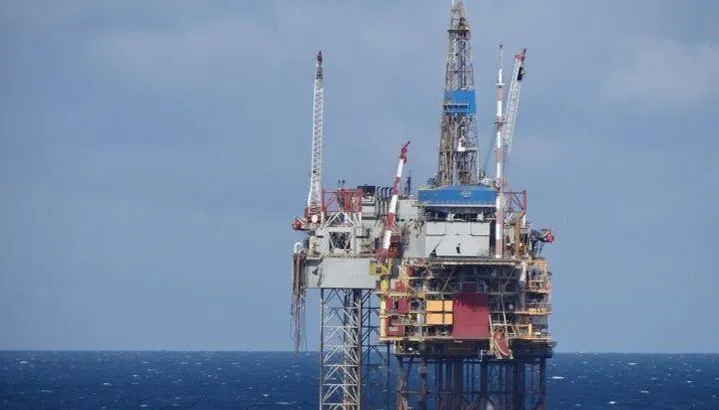
WTI crude oil closed above $103 a barrel on Friday, October 23, as escalating attacks on Saudi Arabia and fears of renewed US strikes against Iran pushed energy prices higher ahead of next week’s Federal Reserve meeting.US West Texas Intermediate futures settled at $103.27, gaining $3.80, or 3.8%, while Brent crude closed at $116.72, up $3.55, or 3.14%. Reuters described Brent’s settlement as its highest since April 29. The international benchmark gained approximately 6% for the week, while WTI advanced around 2% to 2.3%, depending on the reporting source.The surge leaves US crude above the psychologically important $100 threshold as Washington confronts two problems: protecting domestic fuel supplies and containing inflation before the Fed’s October 27-28 policy meeting.Unlike previous rallies centered largely on shipping restrictions in the Strait of Hormuz, Friday’s advance reflected growing concern over attacks inside Saudi Arabia, alongside the possibility of another round of US-Iran military confrontation.
Houthi Attacks and Iran Strike Fears Drive Oil Higher
Iran-backed Houthi forces carried out multiple attacks across Saudi Arabia, including strikes targeting energy infrastructure. Saudi Aramco ordered employees to evacuate its headquarters in Dhahran on Thursday as fighting between Saudi forces and the Yemen-based group intensified.Brent briefly traded above $117 on Friday, extending a rally from below $97 at the beginning of October.Another source of uncertainty was an Iranian Revolutionary Guard claim that seven tankers had been damaged or disabled around the Strait of Hormuz. Iranian authorities said four vessels were attacked and three others struck naval mines.The Associated Press said it could not independently verify those claims. They should therefore not be treated as seven confirmed tanker losses or evidence of an equivalent reduction in crude supply.Reuters also reported an oil spill from an unidentified tanker off the UAE coast of Umm Al Quwain. Emirati authorities did not establish what caused the incident.Andrew Lipow, president of Lipow Oil Associates, told Reuters that increased tanker movements through Hormuz could reverse rapidly if security conditions deteriorated.Meanwhile, reports that the United States might resume strikes against Iran added to uncertainty ahead of the November 3 midterm elections. No new US strike should be assumed merely from the warnings and military preparations.FinanceFeeds’ earlier Brent crude analysis examined the tanker claims, Saudi security developments and the oil market’s response before Friday’s final settlement.
US Refinery Disruption Triggers 400,000-Barrel SPR Exchange
The US Department of Energy announced an emergency exchange of up to 400,000 barrels from the Strategic Petroleum Reserve on October 23 to address a crude supply disruption affecting Phillips 66’s Lake Charles refinery in Louisiana.The oil will come from the West Hackberry SPR facility and is intended for immediate delivery to help maintain refinery operations and transportation fuel production.Under the exchange arrangement, Phillips 66 must return the borrowed crude along with additional premium barrels. This is a temporary refinery supply measure, not a permanent withdrawal of 400,000 barrels or a broad release designed to force down international crude prices.That distinction matters. A US refinery can face shortages of suitable crude even when domestic production remains substantial. Delivery disruptions, transportation constraints and crude compatibility can all affect how efficiently facilities produce gasoline, diesel and other fuels.The latest Energy Information Administration data underline the domestic supply pressure. Commercial crude inventories fell 3.06 million barrels to 412.5 million barrels in the week ending October 16, approximately 3% below their five-year seasonal average.Gasoline inventories declined 2.95 million barrels to 205.3 million barrels, while distillate stocks increased 1.68 million barrels to 104.3 million. Refiners operated at 93.4% of capacity.Those figures suggest limited inventory cushioning if additional supply interruptions develop, although they do not establish a nationwide fuel shortage.FinanceFeeds’ recent WTI trading analysis provides further context on how domestic inventory signals and crude benchmarks differ.
Gasoline Prices Keep the US Oil Shock Close to Home
Higher WTI prices matter directly for American consumers because crude is a major input cost for gasoline and diesel production.AAA reported a national average regular gasoline price of approximately $4.30 per gallon on October 24, compared with around $3.07 a year earlier. Diesel averaged approximately $6.34.Gasoline prices had eased earlier in October as retailers transitioned to cheaper winter-grade fuel, but another sustained rise in crude could reverse some of that relief.The transmission is not immediate or proportional. Refining margins, regional inventories, transportation expenses and retail competition determine how quickly crude increases reach the pump.The DOE’s Lake Charles exchange is therefore more significant for regional fuel availability than for determining the nationwide WTI crude price.
Trump Says Iran Is Trying to Push Oil Higher Before the Midterms
President Donald Trump accused Iran on Thursday of fabricating tanker incidents to influence global energy prices before the November 3 elections.Writing on Truth Social, Trump said Iran was doing everything possible to increase oil prices ahead of the vote and claimed Tehran was inventing attacks and mine incidents despite increased traffic through Hormuz.His accusation remains a political claim rather than independent verification that the reported tanker incidents were fabricated.Markets face a separate calculation. Even if individual Iranian claims prove exaggerated, confirmed attacks on Saudi territory, maritime security concerns and the possibility of further military action can still increase the risk premium embedded in crude futures.
Fed Week: Does $100 WTI Strengthen the Case for Another Rate Hike?
The Federal Reserve meets October 27-28, with its interest-rate decision scheduled for Wednesday. The benchmark federal funds target currently stands at 3.75%-4.00% following September’s quarter-point increase.Despite oil trading above $100, futures markets overwhelmingly favor a pause. Pricing at Friday’s close indicated approximately a 90% probability that the Fed would leave rates unchanged, with only around a 10% chance of another quarter-point increase.The complication is that expensive energy can raise headline inflation while simultaneously reducing household purchasing power and business margins.Fed policymakers must distinguish a temporary geopolitical supply shock from persistent inflation that spreads into broader prices and wage expectations. Raising interest rates cannot directly restore damaged infrastructure or reopen shipping routes.FinanceFeeds previously examined the Fed’s inflation dilemma and why markets have increasingly focused on a potential December hike rather than immediate action in October.For WTI traders, the next milestones are the reopening of crude futures on Sunday evening, fresh developments around Saudi energy facilities and Hormuz, Wednesday’s EIA inventory release, and the Fed’s policy statement.Investor Takeaway: WTI’s $103.27 settlement confirms that US crude has entered Fed week above $100. The immediate risk is renewed Middle East disruption, while the domestic pressure points are refinery supply, gasoline inventories and persistent fuel inflation. A pause remains the favored Fed outcome, but sustained high oil prices could complicate the path toward December.